
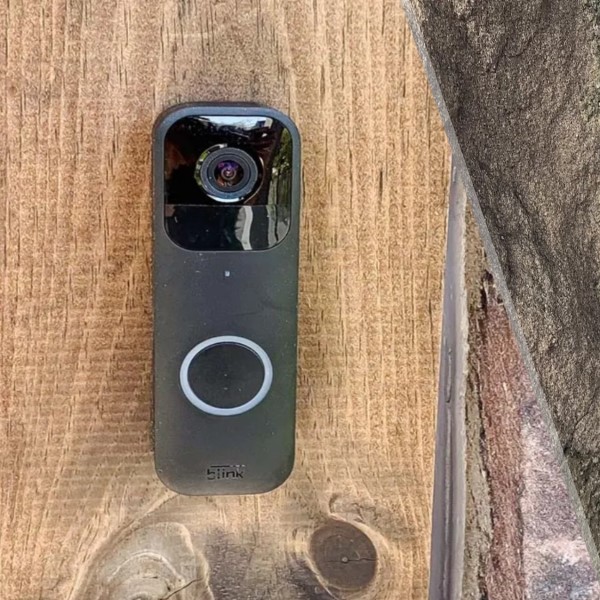
Introduction: Understanding the Smart Doorbell Landscape
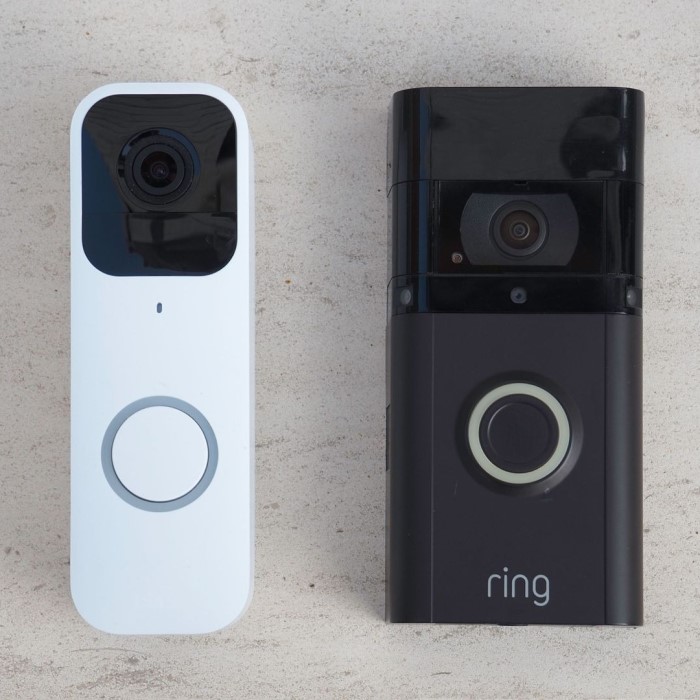
When it comes to enhancing home security, choosing between ring vs blink doorbell systems can be a challenging decision. Both brands offer innovative features designed to help you monitor your home from anywhere. Ring, known for its robust security features, has gained immense popularity. Blink, on the other hand, offers an affordable solution without sacrificing quality. In this article, we will delve into the differences between Ring and Blink doorbells, examining their features, pricing, usability, and which may better suit your needs.
By understanding the strengths and weaknesses of each option, you can make a more informed choice for your home security system.
Overview of Ring Doorbells
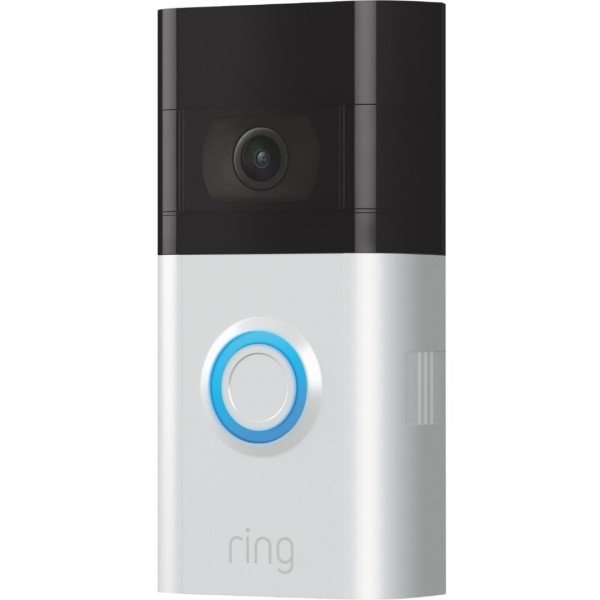
Ring is one of the pioneers in the smart doorbell market, providing an array of products that cater to various security needs. Here are some important aspects of Ring doorbells:
- High-Definition Video Quality: Ring doorbells offer high-definition video feeds, typically in 1080p. This clarity is invaluable for identifying visitors.
- Two-Way Audio: With built-in two-way audio, users can communicate with visitors directly through the mobile app. This feature adds convenience for package deliveries or interaction with guests.
- Smart Home Integration: Ring doorbells integrate seamlessly with other smart home devices, including Alexa and Google Home. This compatibility enhances its functionality within your smart home ecosystem.
- Cloud Storage Options: Ring provides optional cloud storage services. Users can save video footage for long-term access, though this service comes with a subscription fee.
- Advanced Motion Detection: Motion detection features allow users to customize sensitivity settings and zones. This personalization helps in reducing false alerts.
Choosing a Ring doorbell means opting for a feature-rich and well-established product known for its reliability and comprehensive security options.
Overview of Blink Doorbells
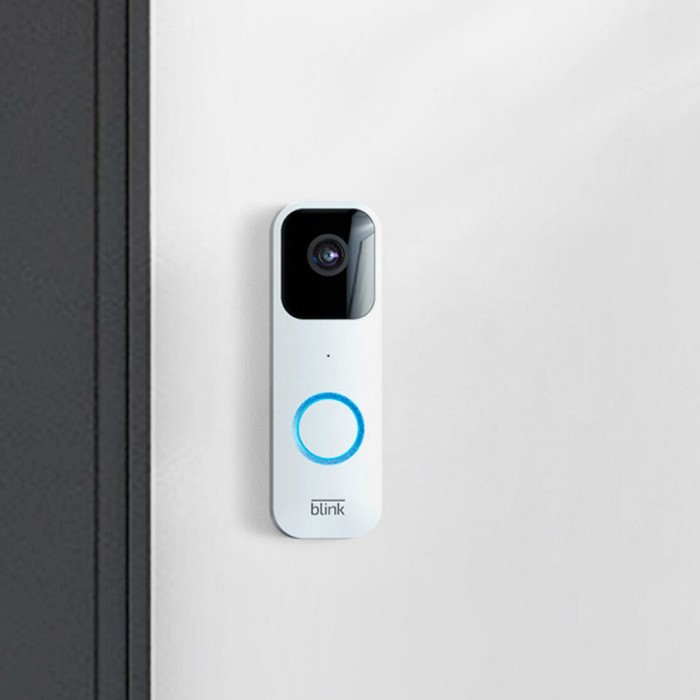
Blink is a newer player in the smart doorbell market, but it has quickly gained traction due to its competitive pricing and solid performance. Here’s what you need to know about Blink doorbells:
- Affordable Pricing: Blink doorbells are typically priced lower than Ring models. This affordability makes Blink an attractive option for budget-conscious consumers.
- Decent Video Quality: While Blink doorbells may not offer the same high-definition video quality as Ring, they provide adequate resolution for general monitoring.
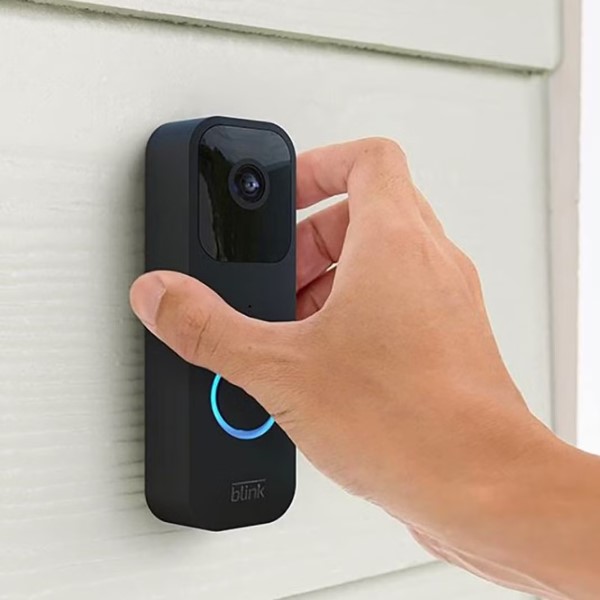
- Simple Installation: Blink emphasizes easy installation, requiring minimal tools to set up. Users appreciate the user-friendly approach, especially those who prefer DIY solutions.
- Battery Life: Blink doorbells are designed to be energy efficient. Their battery life can last up to two years, depending on usage, making them low-maintenance in this regard.
- Basic Features: While Blink offers essential features such as motion alerts and live video, it may lack advanced functions like two-way audio and extensive smart home integrations found in Ring systems.
For those prioritizing affordability and straightforward functionality, Blink doorbells can be an excellent choice, especially for homeowners seeking essential security without the need for advanced features.
Comparing Features: Ring vs Blink Doorbells
When choosing between ring vs blink doorbell, consider the following features:
- Video Quality: Ring consistently offers higher-quality video, which is beneficial for detailed monitoring. Blink’s video quality meets basic needs but may not be sufficient for detailed identification.
- Audio Communication: If two-way audio is important to you, Ring’s robust feature set outshines Blink, which may lack this capability entirely in some models.
- Smart Home Compatibility: Ring’s strong integration with smart home systems makes it a versatile choice for users already invested in smart technology. Blink provides limited compatibility, which might limit its appeal for tech-savvy consumers.
- Installation Process: Blink’s emphasis on simple installation may appeal to those who prefer a hassle-free setup. Ring can also be easy to install but may require additional tools or steps for more advanced features.
- Cost and Subscription Fees: Blink’s lower initial cost and lack of mandatory subscription fees can be more suitable for budget-conscious buyers. However, Ring’s subscription is often justified by its extensive cloud storage and robust features.
User Experience: Ease of Use and App Functionality
- Ring App Features: The Ring app is user-friendly, providing easy access to live feeds, motion alerts, and historical footage storage. Users benefit from customizable settings and notification preferences, allowing them to tailor their experience.
- Blink App Functionality: Blink’s app is straightforward and user-friendly, allowing basic functions like live viewing and notifications. It offers essential features but may need enhancements in user interface design and additional options.
- Real-World Usability: Both systems receive positive feedback for real-world usability. However, Ring’s feature-rich offering tends to provide a more comprehensive experience.
- Notification System: Both doorbells notify users of activity. However, Ring’s advanced settings allow for greater customization, helping prevent alert fatigue from unnecessary notifications.
- Customer Support: Ring offers a more extensive support network, with FAQs, video tutorials, and community forums. Blink provides basic support, but users may find fewer resources for troubleshooting complex issues.
Security Features: Ring vs Blink
Security Protocols
- Encryption Practices: Both Ring and Blink prioritize user security through the use of encryption. This ensures that data transmitted between doorbells and mobile devices is protected from unauthorized access or interception.
- Protocols Assessment: Users should take time to assess each system’s specific security protocols. This includes examining how updates are delivered and how vulnerabilities are managed. Regular updates are crucial for maintaining system security.
- Vulnerability Management: It’s important for users to stay informed about any potential vulnerabilities identified in either system. Understanding how each brand addresses security issues helps users make informed decisions about their home security.
- Industry Standards Compliance: Both companies should adhere to industry-standard security practices to maintain user trust. Knowing these standards can help consumers feel more confident in their choice of doorbell system.
Motion Detection Sensitivity
- Advanced Features in Ring: Ring’s advanced motion detection technology allows users to customize detection zones and sensitivity levels. This fine-tuning capability enables users to focus on specific areas of interest, such as the entryway or driveway.
- Reduced False Alerts: By customizing detection settings, users can minimize false alerts triggered by irrelevant movements, such as passing vehicles or pets. This feature is particularly useful for households with high traffic areas.
- Simplified Detection in Blink: Blink offers simpler motion detection settings, which are easy to configure. However, the lack of advanced customization may lead to more frequent false alerts, especially in busy environments.
- User Experience with Detection: Users might find Ring’s capability for fine-tuning detection to be a significant advantage, especially in settings where precise monitoring is necessary. A less sophisticated detection system, like that of Blink, may not provide the same level of satisfaction.
User Privacy Considerations
- Scrutiny Over Policies: Ring has faced increasing scrutiny regarding its privacy policies and data management practices. Concerns have been raised about how user data is collected, shared, and utilized.
- Transparency in Data Handling: It’s vital for users to thoroughly review how both Ring and Blink handle user data, including individual privacy settings and data-sharing practices. Knowing these aspects helps users feel more secure in their choices.
- Compliance with Privacy Regulations: Both companies must adhere to relevant privacy regulations, such as GDPR in Europe or CCPA in California. Users should be aware of their rights regarding their personal data, and how each brand complies with such regulations.
- User Control Over Data: It’s essential for users to understand what control they have over their data with each system. Reviewing options for data deletion and management policies can help users retain a sense of ownership over their information.
Cloud Storage Security
- Optional Cloud Storage Features: Both Ring and Blink provide optional cloud storage for users wishing to keep recorded footage accessible. This feature can enhance security by allowing users to review past events.
- Evaluating User Comfort with Off-Site Storage: Users should carefully evaluate their comfort level with off-site data storage. Understanding the implications of storing sensitive footage in the cloud is essential for informed decision-making.
- Security Features in Ring’s Subscription Service: Ring’s subscription service includes additional security features, such as encrypted cloud storage and extended storage duration for video footage. These features can provide added peace of mind for users concerned about data security.
-
Comparing Subscription Models: Users should compare the subscription models offered by both brands, looking at aspects like cost, storage limits, and additional features. This comparison helps users identify which option best aligns with their needs.
FAQs about Ring vs Blink Doorbell
Which is better, Ring or Blink?
The better option depends on your specific needs. Ring offers more advanced features and higher video quality, while Blink is more affordable and easier to install, making it suitable for those on a budget.
Why are people getting rid of Ring doorbells?
Some users switch from Ring doorbells due to privacy concerns, subscription costs, or the desire for simpler security options. Others may opt for different brands that better meet their needs.
Conclusion
In conclusion, the ring vs blink doorbell comparison illustrates two distinct approaches to home security. Ring provides a feature-packed experience with exceptional video quality and smart integrations, making it a top choice for users seeking comprehensive security systems. Meanwhile, Blink appeals to budget-conscious consumers looking for a straightforward solution without sacrificing essential monitoring features.
When deciding which doorbell system is right for you, consider your specific needs, budget, and preferences. By evaluating the features, usability, security, and overall value of each option, you can make an informed decision that best caters to your home security requirements. Ultimately, both Ring and Blink offer quality products, but your choice should align with your unique situation and lifestyle.