
Understanding the difference between romper and jumpsuit helps you make smarter fashion choices. At first glance, both look similar. They are one-piece outfits with a top and attached pants. However, key distinctions affect comfort, formality, and seasonal use. Knowing these differences ensures you pick the right garment for any occasion. A romper is typically shorter in length. It often ends above the knee. Most resemble a dress but have shorts instead of a skirted bottom. In contrast, a jumpsuit extends fully down the legs. It looks like a full-body outfit. This fundamental variation shapes how each piece fits, functions, and styles.
Moreover, the difference between romper and jumpsuit goes beyond leg length. Fabric weight, collar design, closure types, and styling options vary. Rompers lean toward casual or beachwear. Jumpsuits appear in formal events, workplaces, and evening outings. Some people wear them interchangeably. Yet, choosing correctly improves confidence and appropriateness. This article explores origins, cuts, materials, accessories, layering tips, and why recognizing the difference between romper and jumpsuit matters in modern wardrobes.
 How Length Defines the Difference Between Romper and Jumpsuit
Short vs Full-Length Legs and Design Impact
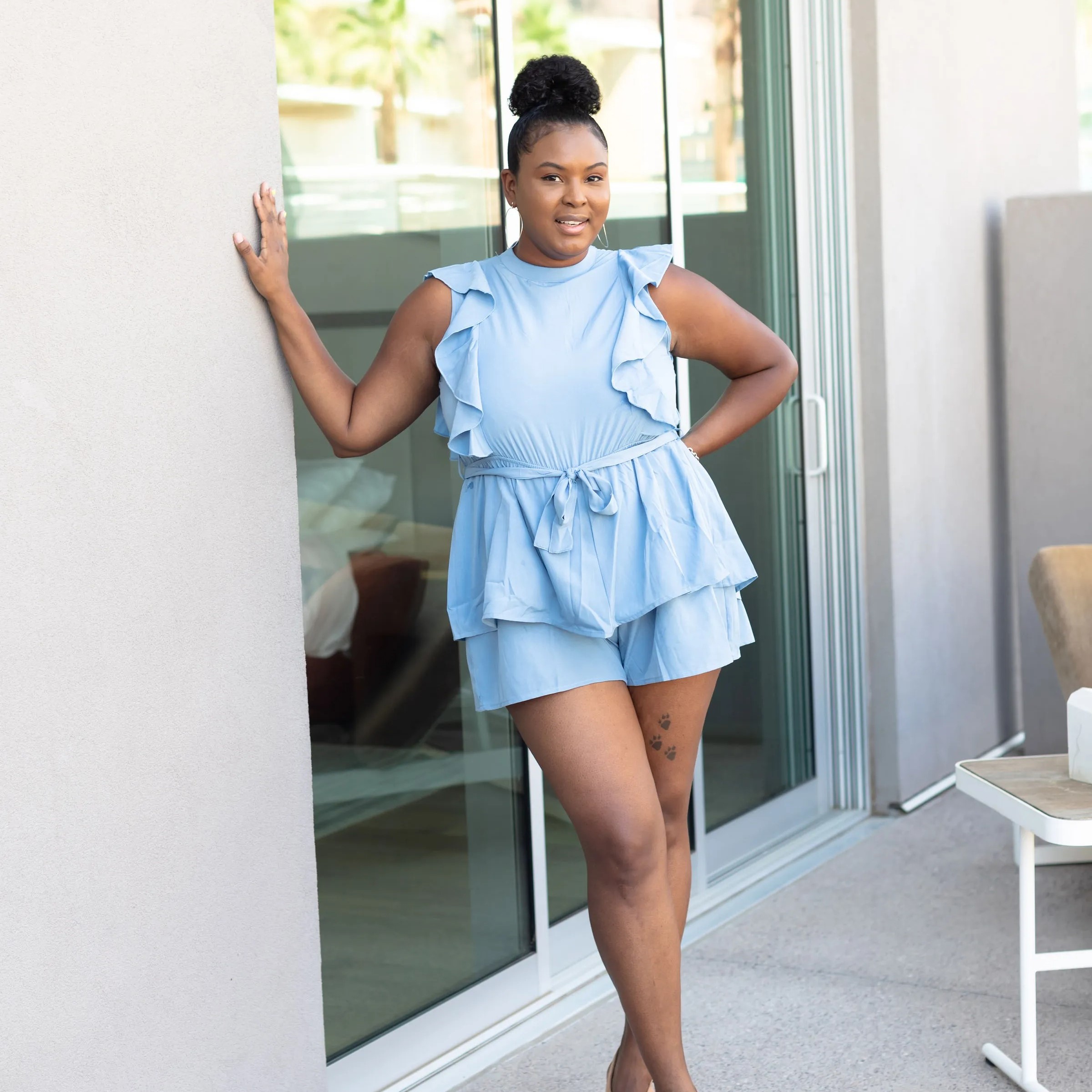
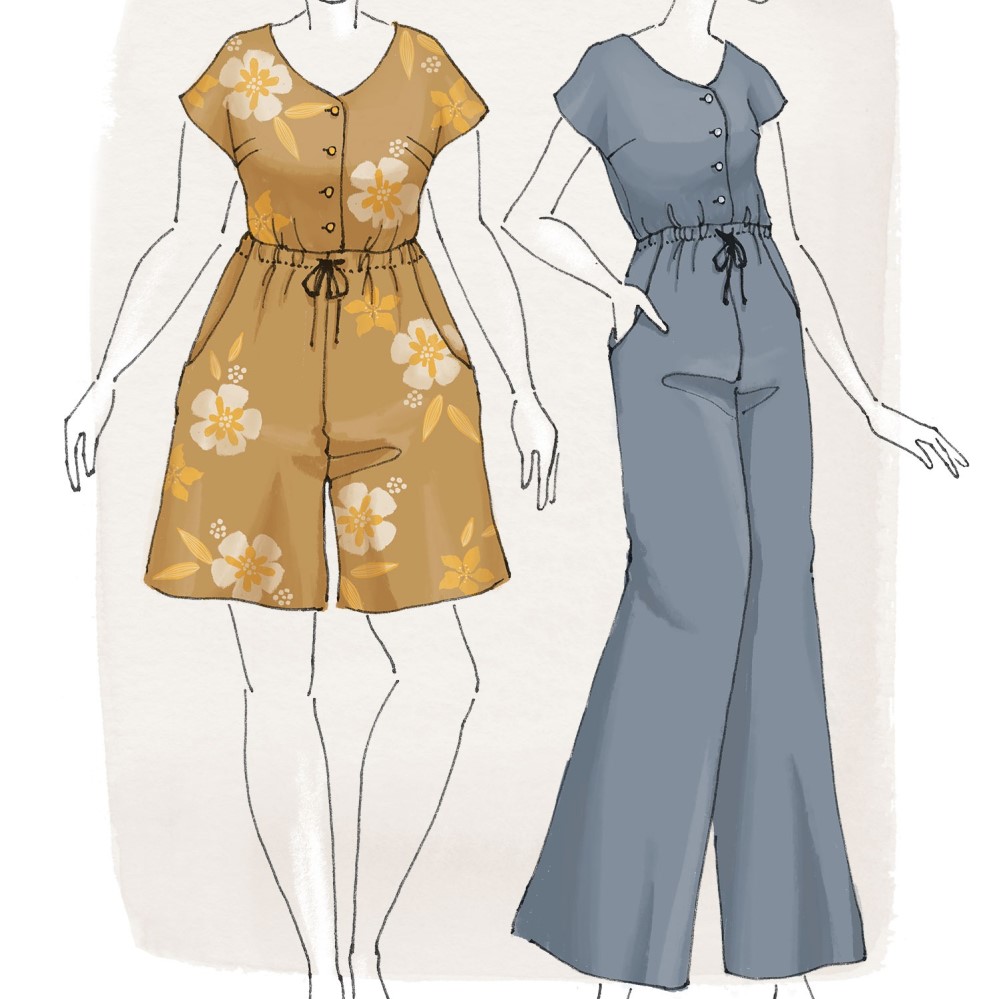
The most visible difference between romper and jumpsuit is leg coverage. Rompers feature short bottoms. These usually end mid-thigh or just above the knee. The cut mimics a sundress with built-in shorts. This makes it ideal for warm weather. Air flows freely. Movement feels unrestricted. Many women choose rompers for summer festivals, pool parties, or tropical vacations.
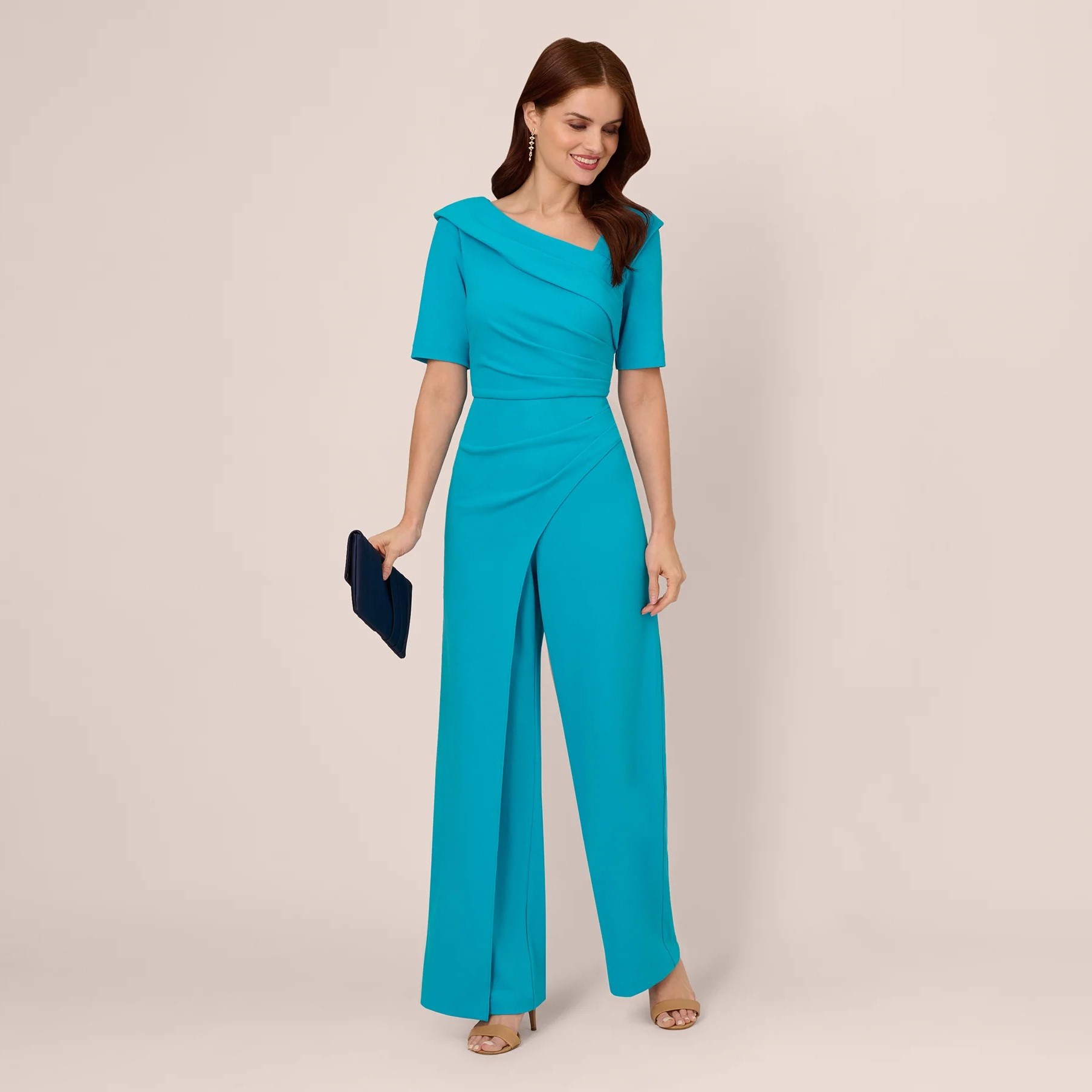
In contrast, jumpsuits extend from shoulders to ankles. They cover the entire leg. Some flare out at the bottom. Others follow slim, straight lines. Because of this, they suit more settings. You can wear a jumpsuit to dinner, a job interview, or a wedding. The long silhouette reads as polished and intentional.
Length also affects proportions. Rompers shorten the torso visually. High-waisted versions help balance this. Jumpsuits create vertical lines. They elongate the body. Tall individuals enjoy dramatic effects. Petite figures benefit from cropped jumpsuits. These stop at the ankle. They avoid overwhelming small frames.
Sleeve styles differ too. Rompers often have thin straps or cap sleeves. Jumpsuits may include long sleeves, turtlenecks, or off-the-shoulder cuts.
Bottom closures matter. Rompers rarely zip up the back. Many tie at the waist. Jumpsuits frequently have zippers or buttons. Some include belt loops.
This structural gap defines their roles in your closet.
Fabric Choices That Highlight the Difference Between Romper and Jumpsuit
Lightweight vs Structured Materials
Another major difference between romper and jumpsuit lies in fabric selection. Rompers use light, breathable textiles. Cotton, rayon, linen, and jersey knits dominate. These materials drape softly. They allow airflow. Ideal for outdoor heat. Floral prints, gingham, and tropical patterns appear often. Since rompers suit casual moments, designers prioritize comfort over structure.
Jumpsuits, however, rely on heavier fabrics. Denim, twill, crepe, and satin offer shape retention. These hold pleats, pockets, and tailored seams. Structured shoulders and defined waists require stiffer cloth. As a result, jumpsuits maintain crispness throughout the day. This supports professional or elegant appearances.
Some jumpsuits use stretch blends. Polyester-spandex mixes add flexibility. They prevent tightness during sitting or walking. Metallic finishes enhance night appeal. Matte versions work in offices.
Rompers avoid stiff textures. Stiffness ruins their relaxed vibe. Flowy silhouettes depend on fluid movement. Ruffles, smocking, and tiered layers need soft fibers.
Wrinkle resistance varies. Jumpsuits made of synthetic blends resist creasing. Good for travel. Rompers wrinkle easily. Cotton ones lose form after washing.
Seasonal use follows fabric logic. Light rompers shine in spring and summer. Heavier jumpsuits thrive in fall and winter.
Even inner linings differ. Many jumpsuits include modesty panels. Rompers may go unlined.
Fabric choice reinforces the difference between romper and jumpsuit in real-world wear.
 Styling and Occasion-Based Uses
Casual Play vs Formal Elegance
Styling clearly shows the difference between romper and jumpsuit. Rompers fit best in laid-back environments. Think backyard barbecues, beach days, or weekend brunches. Pair them with flip-flops, sandals, or espadrilles. Add a wide-brim hat and tote bag. Keep jewelry minimal. Hoop earrings or layered necklaces complete the look. Their playful nature invites fun colors and bold prints.
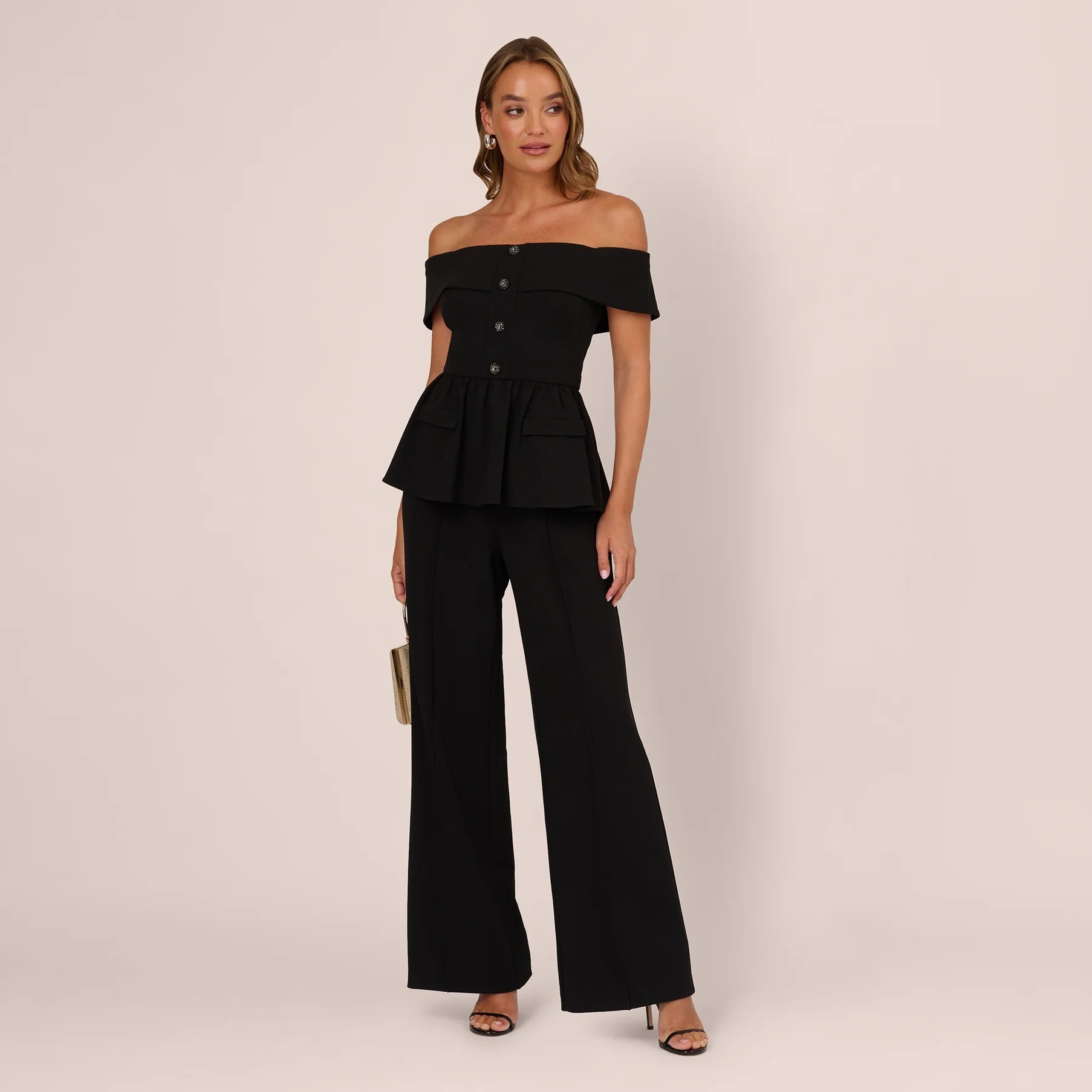
Jumpsuits serve broader purposes. A wide-leg linen jumpsuit works at a garden party. Tuck in a silk camisole underneath. Add wedges and a clutch. For business-casual offices, try a tailored black version. Roll the sleeves slightly. Use a thin belt. Wear low heels. Instant polish appears.
Evening events favor jumpsuits. Sequins, velvet, or satin elevate them. Pair with strappy heels and statement earrings. A plunging neckline adds drama. These mimic gown energy without split hems or trains.
Rompers struggle in formal spaces. Exposed thighs limit acceptance. Few upscale restaurants or ceremonies welcome them. Exceptions exist. Some brides wear white lace rompers for rehearsal dinners. Still, they remain rare.
Layering potential differs. Rompers accept cardigans or denim jackets. But bulky coats overwhelm their scale. Jumpsuits handle blazers, trench coats, or fur stoles. Their longer frame balances outerwear.
Accessories change impact. Belts define jumpsuit waists. Scarves add flair. Hats improve cohesion.
The difference between romper and jumpsuit becomes obvious when dressing for specific events.
Closure Types and Functional Features
Zippers, Buttons, and Ease of Use
A practical difference between romper and jumpsuit involves closures. Rompers often skip complex fasteners. Many use elastic waists. Drawstrings tighten across the hips. Back ties adjust fit. These allow easy bathroom breaks. No need for side zips or hidden clasps. Simplicity supports their carefree image.
However, some rompers include front buttons or snaps. These run from chest to crotch. Useful for nursing mothers. Others feature partial zippers at the back neck. Keeps the style secure without bulk.
Jumpsuits demand stronger closures. Full-length garments require support. Most include back or side zippers. Metal or nylon sliders ensure smooth motion. Hidden zippers preserve clean lines. Belted styles use hook-and-eye fasteners. Button fronts appear in denim versions.
Pockets increase functionality. Jumpsuits often have side seam or patch pockets. These hold phones or keys. Rompers rarely include functional pockets. Space limits size.
Waist definition matters. Rompers use shirring or ruching. These gather fabric naturally. Jumpsuits rely on belts, darts, or fitted panels. More precise shaping occurs.
Adjustability varies. Rompers stretch with the body. Jumpsuits depend on correct sizing. Tailoring may be needed.
These features reflect lifestyle needs.
Quick changes favor rompers. Long-term wear favors jumpsuits.
The difference between romper and jumpsuit includes daily usability.
 Seasonal and Climate Considerations
Summer Heat vs Year-Round Wear
Climate plays a role in the difference between romper and jumpsuit. Rompers belong to hot seasons. Spring and summer bring high demand. Lightweight cotton and mesh keep skin cool. Sleeveless designs expose arms. Shorts prevent overheating. Beachgoers throw them over swimsuits. Travelers pack them for tropical destinations. They dry quickly. Need little ironing.
Still, rompers fade faster in sunlight. UV exposure degrades dyes. Repeated washing removes softness. Limited lifespan follows.
Jumpsuits adapt to multiple seasons. Linen and cotton versions work in warm months. Choose cropped legs or roll-up cuffs. Lightweight weaves breathe well. During cooler times, switch to wool blends, corduroy, or fleece-lined styles. Layer under coats. Add tights if wearing open-toe shoes.
Winter jumpsuits appear in fashion shows. Faux leather, velvet, or thermal knits offer warmth. Mock necks and long sleeves protect against wind. Darker colors absorb heat.
Rain doesn’t stop jumpsuit wear. Waterproof boots pair well. Carry an umbrella. Avoid puddles.
Rompers fail in cold climates. Thigh exposure leads to discomfort. Even with tights, they look awkward. Limited layering reduces versatility.
Transitional weather favors jumpsuits. Early spring or late fall allows pairing with boots and scarves.
The difference between romper and jumpsuit includes climate suitability.
Choose based on temperature and activity level.
Who Wears What: Age, Body Type, and Personal Style
Flattering Fits Across Demographics
Body type influences the difference between romper and jumpsuit. Petite women must choose carefully. Long rompers can overwhelm small frames. Cropped jumpsuits enhance proportion. High-waisted cuts lift the silhouette. Vertical lines draw attention upward.
Tall figures enjoy both. Long limbs fill out jumpsuits beautifully. Rompers show off legs. Neither style overwhelms height.
Curvy bodies benefit from structured jumpsuits. Wide legs balance hips. Defined waists highlight curves. V-necks elongate torsos. Rompers work too. Smocked tops provide stretch. Wrap styles allow adjustment.
Apple shapes gain confidence from jumpsuits. Flowing legs offset wider midsections. Boat necks or scoop necks expose collarbones. Rompers with empire waists reduce bulk.
Older women often prefer jumpsuits. They offer coverage and elegance. Modern cuts avoid frumpy looks. Rompers feel too youthful for some. Young adults embrace them. College students and teens link rompers to festival culture.
Gender-neutral styles grow. Oversized jumpsuits suit all identities. Minimalist cuts avoid overt femininity.
Personal taste guides final choice.
The difference between romper and jumpsuit reflects identity and confidence.
 Frequently Asked Questions
Common Concerns About Rompers and Jumpsuits
Can I wear a romper to work? Only in very casual jobs. Most offices prefer jumpsuits.
Do jumpsuits have pockets? Often yes. Especially in utility or denim styles.
Are rompers only for summer? Mostly. Some lined versions exist. But they’re rare.
Can men wear jumpsuits? Absolutely. Many brands offer menswear versions.
How do I use the bathroom in a jumpsuit? Unzip or unbutton. Some have drop seats.
Is a romper the same as a playsuit? Yes. Playsuit is another name.
Can I dress up a romper? Slightly. Add heels and jewelry. But not for formal events.
Where should I buy quality pieces? Department stores, online retailers, or boutique brands.
 Final Thoughts
Why Recognizing the Difference Between Romper and Jumpsuit Matters
Knowing the difference between romper and jumpsuit empowers confident dressing. It prevents wardrobe mistakes. It matches clothing to context. Rompers deliver fun, freedom, and sun-ready charm. Jumpsuits offer sophistication, structure, and year-round function. Each has its place. Neither replaces the other. By understanding length, fabric, closures, and styling options, you build a smarter closet. Ultimately, the difference between romper and jumpsuit isn’t just about design. It’s about purpose, expression, and knowing what works best for your life.